


Technical data
- Type
- Specialty Line
- Region / country
- Finca Los Toños (micro-lot), Brunca
- Altitude
- 1300 meters
- Variety
- Milenio F1
- Processing
- Natural, Double Anaerobic
- Bean type
- 100% Arabica
Flavor profile
Best for
Description
A limited-edition micro-lot for the curious coffee drinker. This Costa Rica comes from Finca Los Toños in the Brunca region, in the south of the country near Pérez Zeledón, at the foot of the Chirripó massif. The cool mountain landscape lets the coffee cherries ripen slowly, and you can taste it.
The process makes the difference
The cherries are processed at the Corazón de Jesús micro-mill, where Johnny Alvarado and his family have been experimenting with controlled fermentation for years. For this lot of the Milenio F1 variety, they chose a double anaerobic natural process: the whole cherries ferment twice without oxygen and then dry slowly. The result is a coffee with a distinctive, almost wine-like signature.
What does it taste like?
A pronounced sweetness of brown sugar, ripe cherry and grape, with a dark cocoa finish. Layered, juicy and with a long, clean finish.
Best for
We roast it light to preserve all that fruit. It’s at its best as filter coffee or in a French press. Feeling adventurous? Try it as an espresso. Limited stock, in 200 g bags.
Brewing guide
- Filter / V60
- Medium-fine grind · 15 g per 250 ml water · 94–96 °C · 2.5–3 minutes
- French press
- Coarse grind · 30 g per 500 ml water · 94–96 °C · steep 4 minutes, then press slowly
- Espresso
- Fine grind · 18 g coffee → 40–45 g in the cup · 94–96 °C · 27–32 seconds
Grind just before brewing, use filtered water and keep the bag sealed, cool and dark.
We think you'll love these too
These products pair perfectly with Limited Edition Costa Rica Finca Los Tonos Double Anaerobic
Freshly roasted, for years
0
cups of freshly roasted coffee sold
From our first roast in Oost-Vleteren to today. Every cup starts with a bean we roasted ourselves, with care.
Our mission
What drives Matubu, day after day
Our mission as a West Flemish coffee roastery is to embrace and champion the values of the short supply chain, craftsmanship, attention to our ecological footprint, quality and a family spirit. Not words on a poster, but the way we make decisions every day.
Behind the scenes
A look inside the roastery
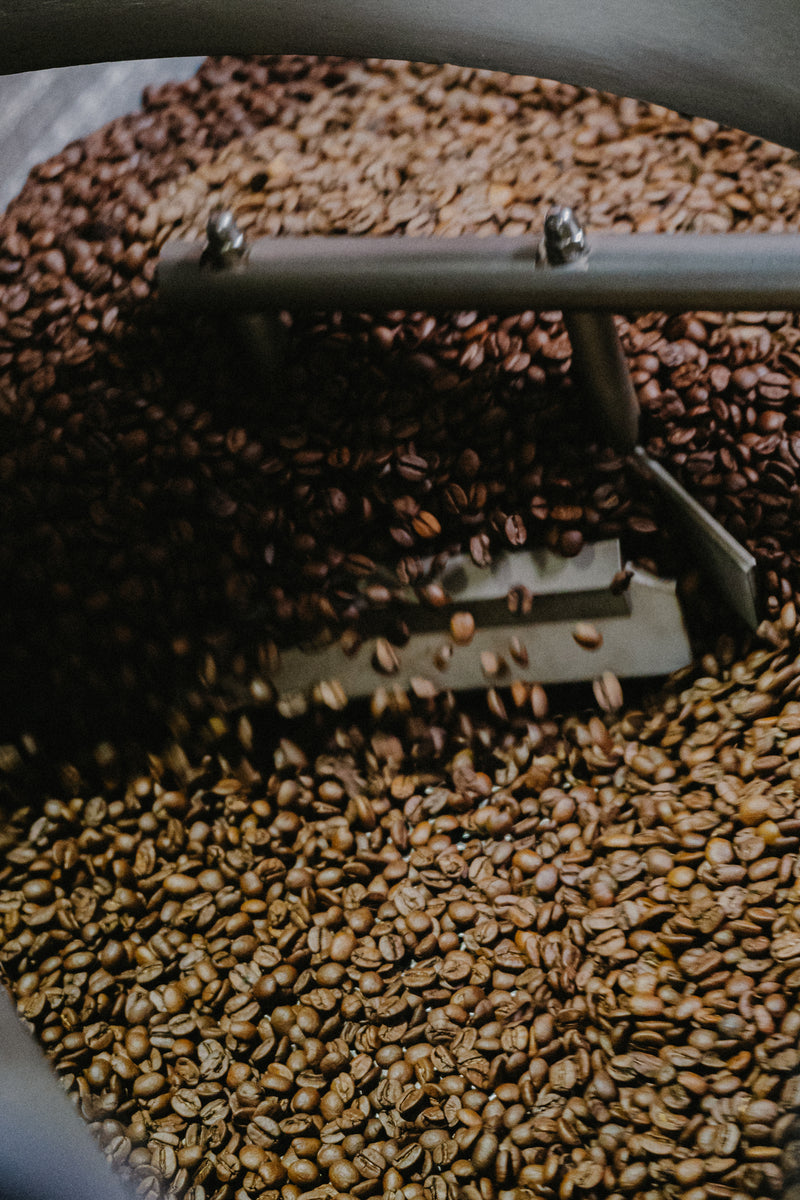 Freshly roasted coffee beans in the cooling tray, almost ready to be packed
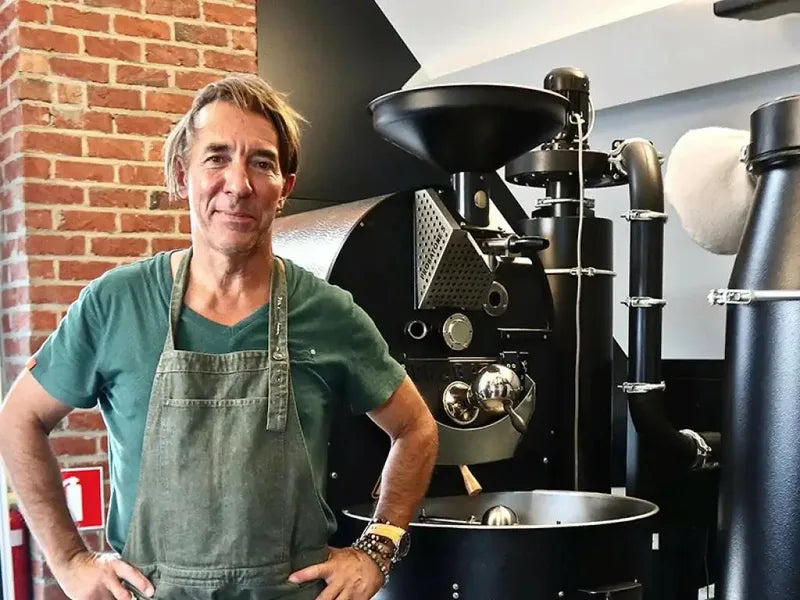
 The beating heart of our roastery
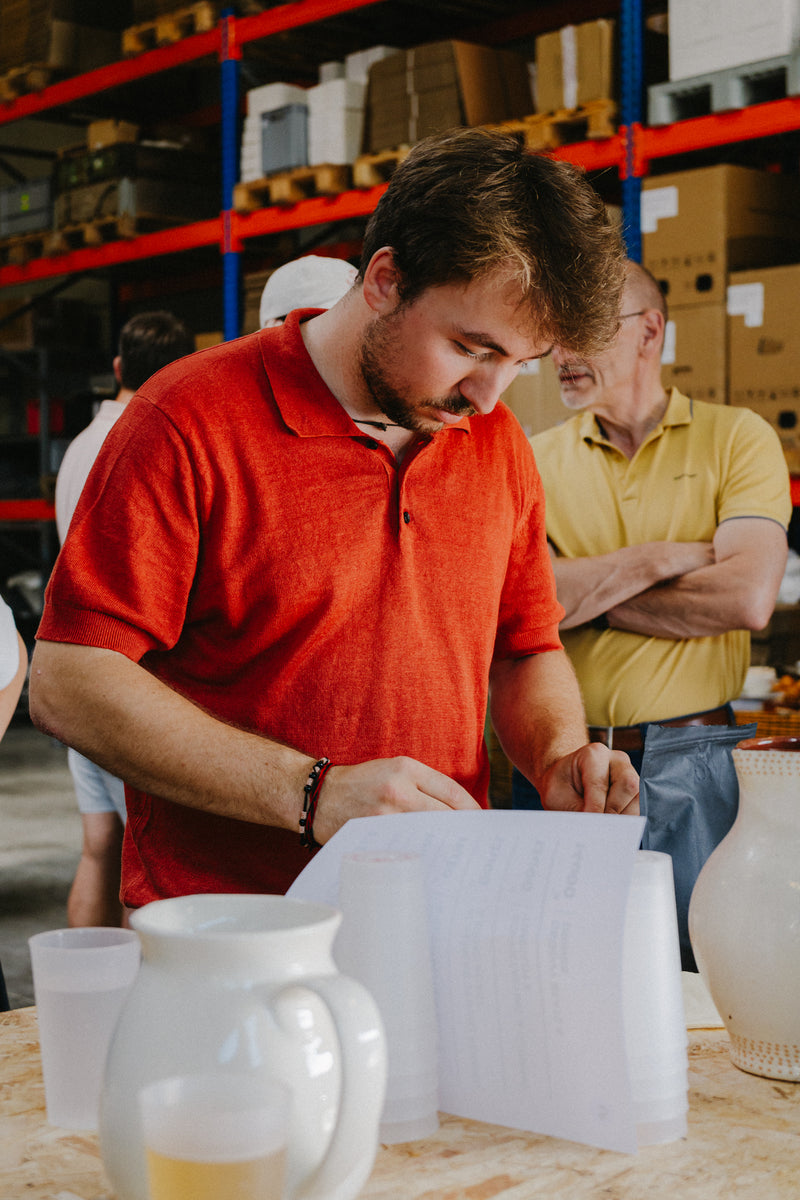 An extensive tasting of our new range
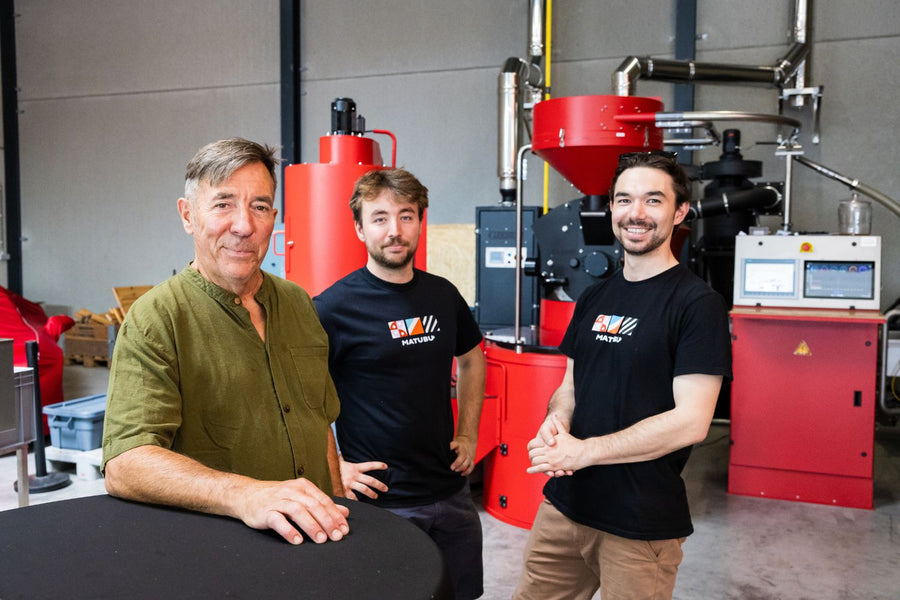
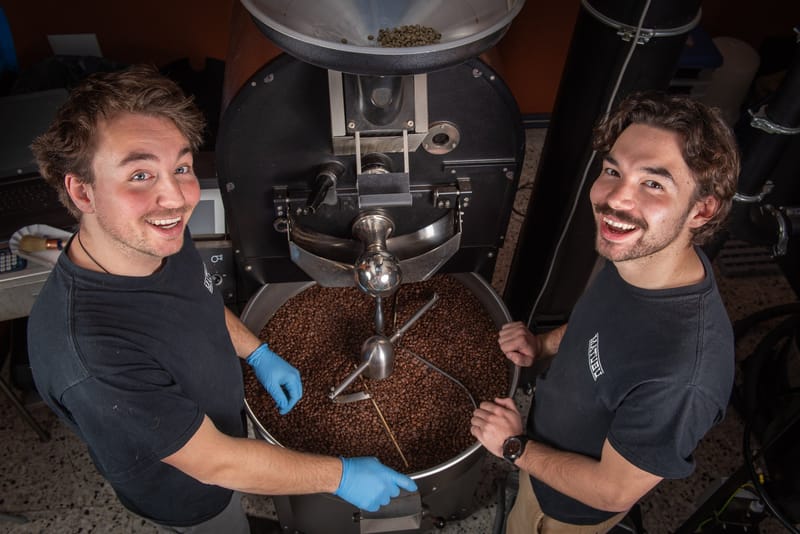
 Founder Nathan, proudly posing with our first roaster
 Our Victoria Arduino coffee machine, sparkling clean!
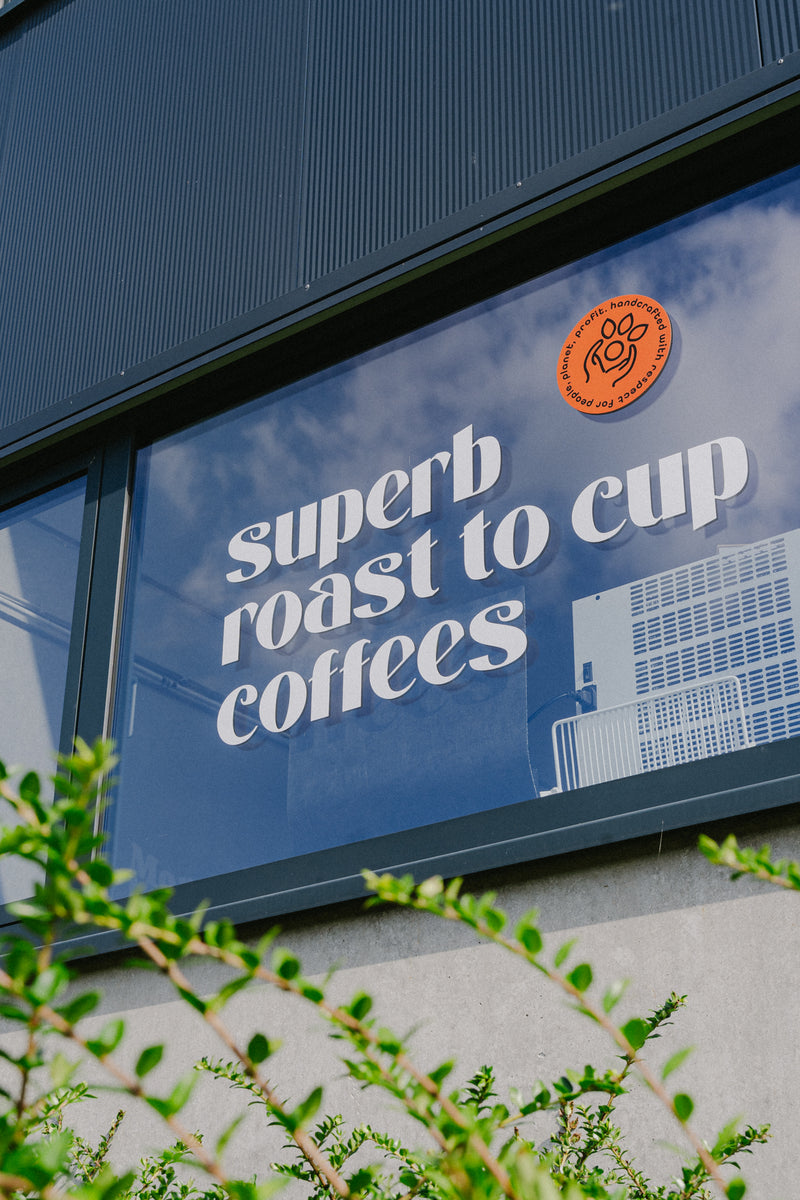 Our baseline couldn't be missing, of course
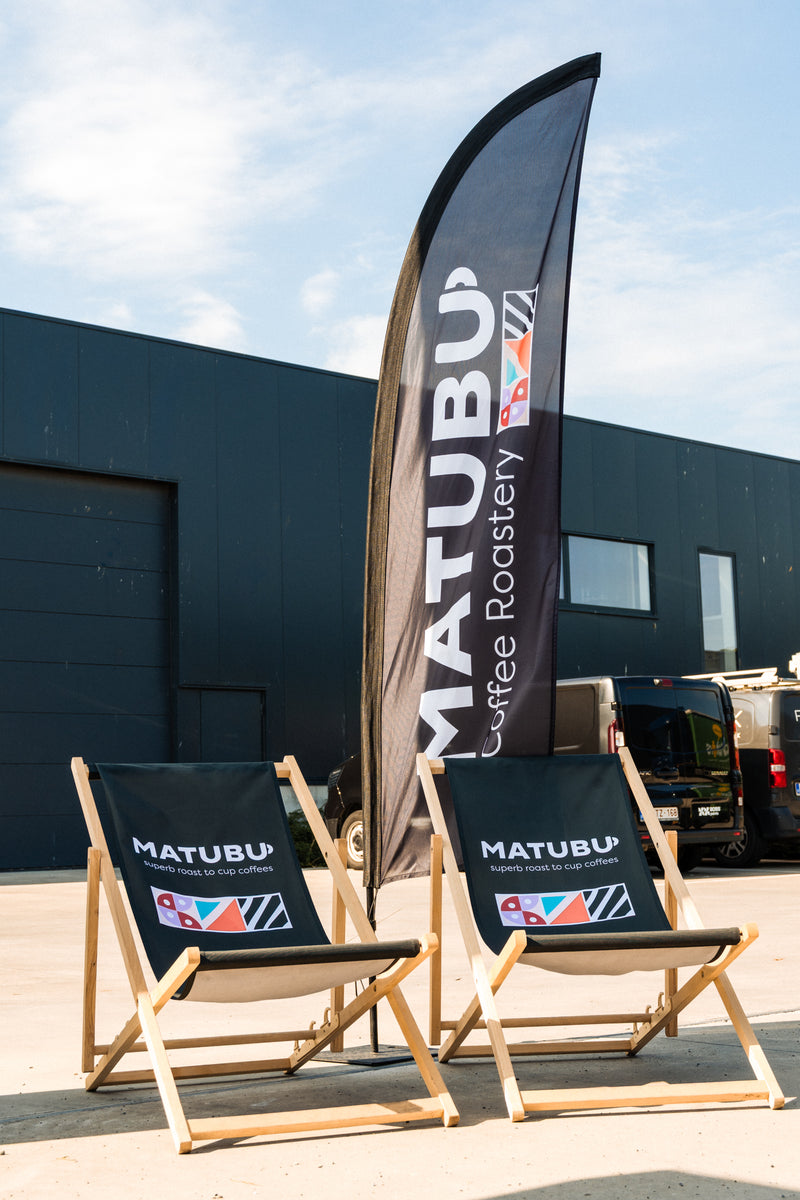 The Matubu setup at events!
 Close-up of our roaster, what a beauty!
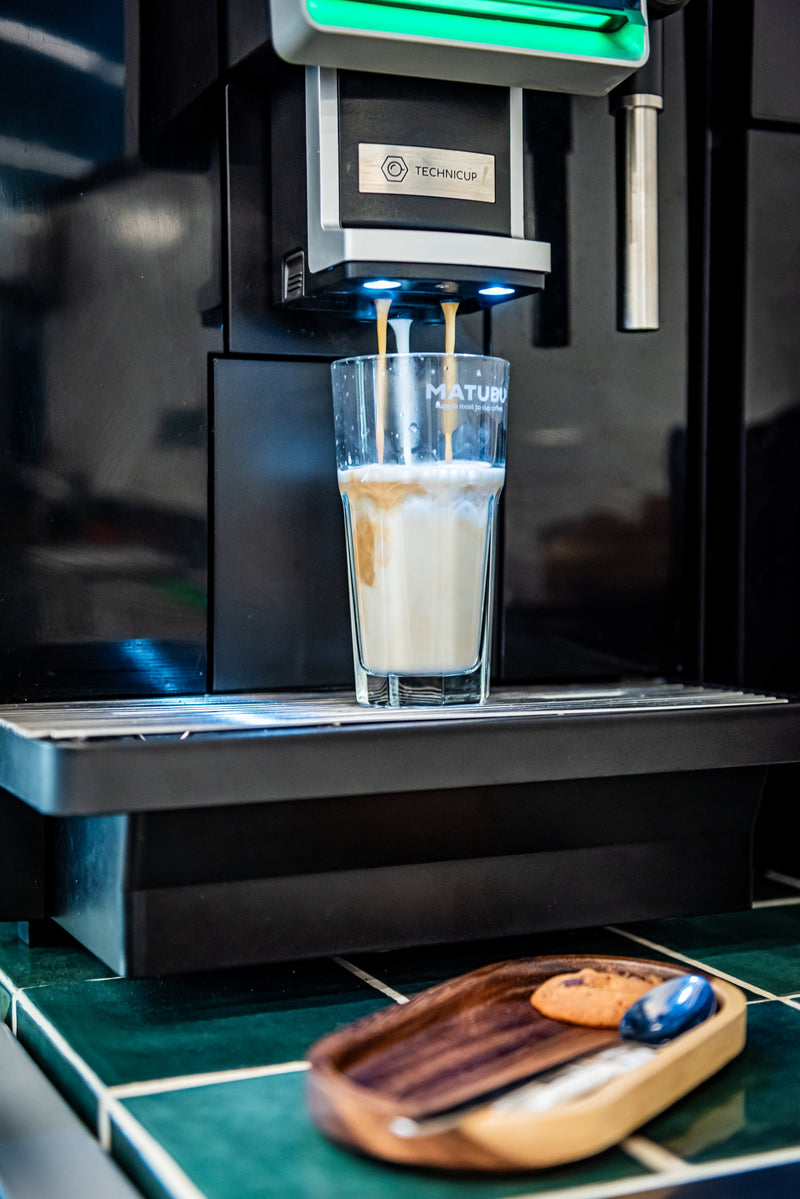 Fully automatic cappuccino served at a hospitality customer
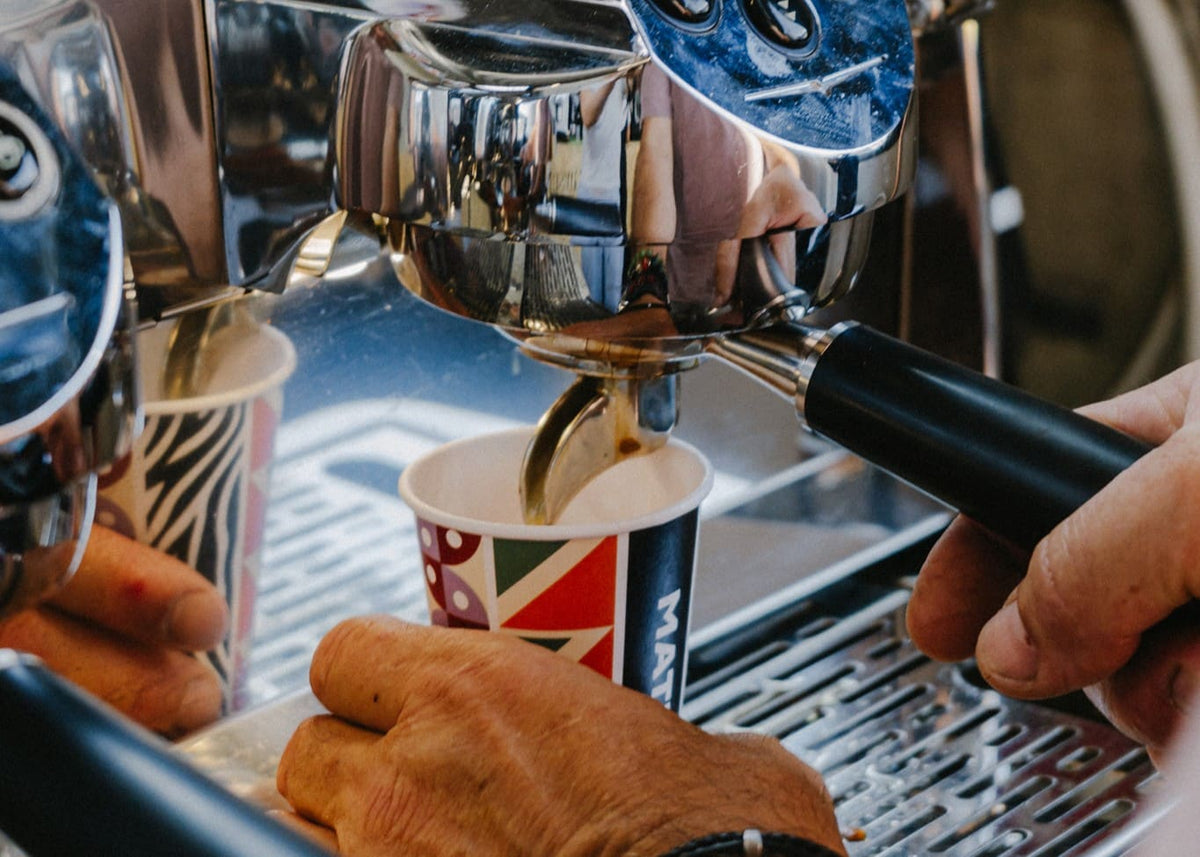
 Rumour has it our coffee tastes even better from a Matubu cup!
Who is Matubu
The story behind every cup of coffee
Matubu didn't start on a drawing board, but in a brewery. What began as a side project next to the beer grew into a family business. Today we roast coffee for more than 250 businesses in the Benelux, and still for you at home.
- 100% West-Vlaanderen
- Official label holder
- Handmade in Brugge
- Official label holder
- 20 kg
- Per roast batch, for optimal quality
- Ambition: CO2 neutral
- By 2030
Short supply chain
We work with Belgian makers and local partners as much as possible. Not because it sounds good, but because we're a family business ourselves and know what that support means.
That's why we hold the 100% West-Vlaanderen and Handmade in Brugge labels: labels for which the entire production process has to take place on West Flemish soil.
Craftsmanship
We roast in batches of 20 kilos, not by the tonne. That way we can follow every batch ourselves.
Before roasting, we measure the density of the beans, the humidity and the temperature in the roastery. And we only mix our blends after roasting, so every bean keeps its own character.

Ecological footprint
We want to be CO2 neutral by 2030. For a small roastery that is a long-term effort. What we already do: as much of our waste as possible goes to partners who reuse it, electrostatic filters remove the smoke and odour particles from roasting on our small roaster, and on our larger machine we use a state-of-the-art afterburner that removes 99% of all fine particles.
To be honest: we buy our green beans through a specialised importer, not directly from the farmer. We keep track of how that partner treats people and nature, and a more direct bond with the producers is something we want to grow towards.

Quality over quantity
Better less coffee and every bag right, than more and half done. We keep looking for good beans and fine-tuning every roast profile until a coffee tastes the way we want.

A family approach
Nathan started Matubu, and today his sons Elie and Félix are at the helm. Got a question? You'll get us on the phone, not a call centre.
And our roastery in Dudzele isn't a factory hall with a lock on the door: you can walk in for a coffee, a chat or a workshop.
Still have questions?
Everything you want to know about Matubu and coffee
In our own roastery, recently moved to KMO-Park Zeveneke in Bruges. We also have a shop and terrace in Dudzele where you can simply drop in for a cup of coffee.
We buy our green beans through a specialised importer, not through a direct farmer-to-roaster relationship. We keep a close eye on that partner treating people and nature with respect throughout the whole chain, and as we grow, we are building more direct relationships with producers step by step.
Store your beans airtight, dry and out of direct sunlight, preferably in the packaging they came in. Don't freeze them, as that affects the taste.
Yes: Decaf Delight (blend) and Colombia Caldas Sugarcane Decaf (single origin), both decaffeinated without compromising on taste.
You choose how often you want a new delivery: every 4, 8 or 12 weeks, and automatically get 10% off. You can change or cancel your subscription at any time.
Absolutely, through our business webshop and tailored quotes for offices, hospitality and coffee bars.
Arabica is usually smoother and more complex in flavour, with more acidity. Robusta is stronger and spicier, with naturally more caffeine. At Matubu we mainly use Arabica, with an occasional touch of Robusta in specific blends for extra strength and crema.
Yes, at our roastery in Dudzele we regularly organise barista workshops and coffee tastings. Keep an eye on our channels or get in touch for the next date.